

Latest events
“Right of Return and Decolonization: Restoration of Delayed Historical...
28/09/2026“Belgium’s Colonial Injustice and the 101-Year Path to Reparations” O...
23/08/2026Media and Decolonization: Rising Voices, Amplifying Narratives
11/07/2026International Conference on the Right of Return of Western Azerbaijani...
25/06/2026June 1984, Transnational Repression as an Extension of Genocide
03/06/2026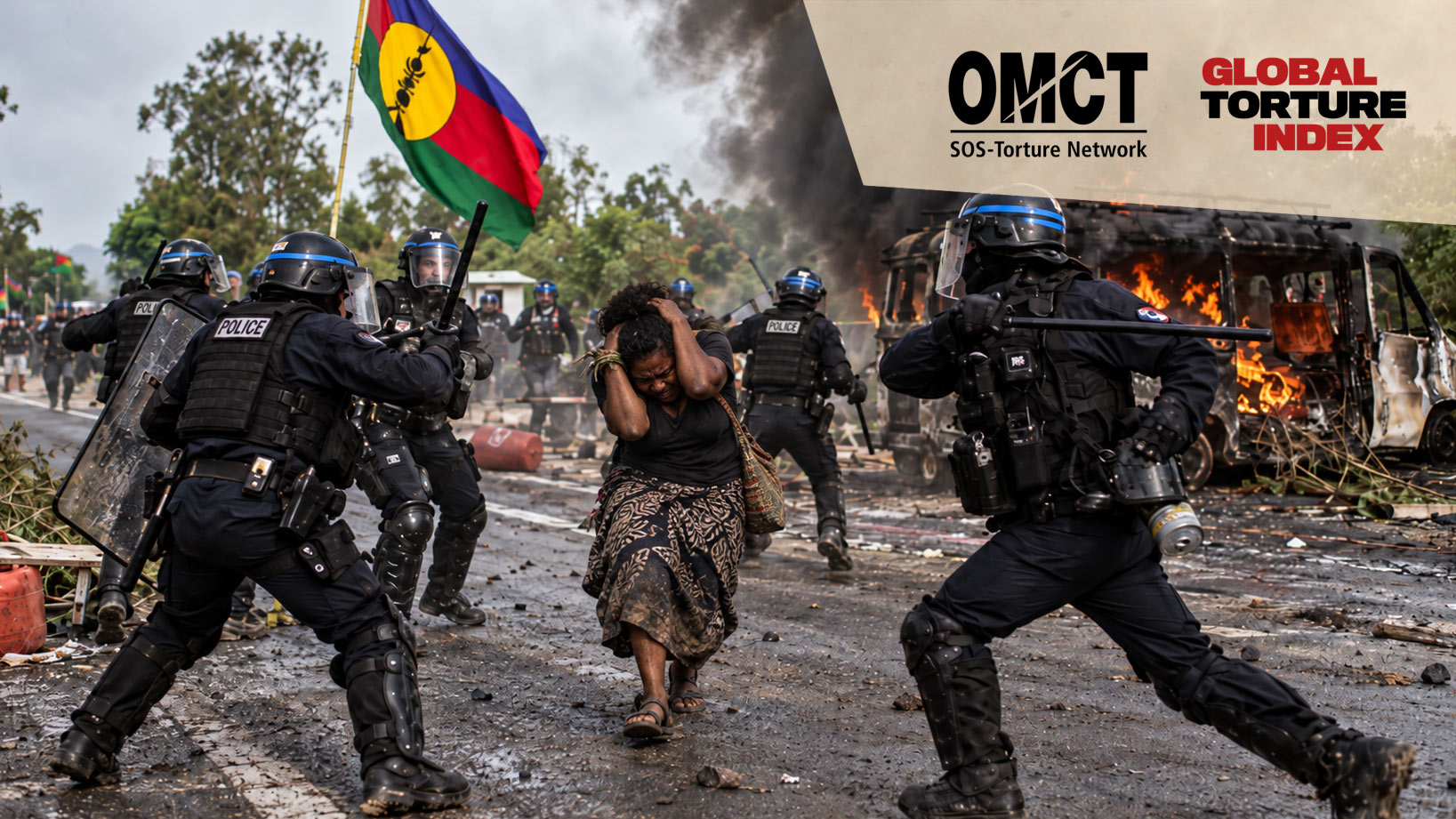
16/10/2026
Baku Initiative Group cites OMCT report on human rights concerns in France
The 2026 Global Torture Index published by the World Organisation Against Torture (OMCT) has revealed serious and systemic problems in the protection of human rights in France, according to the Baku Initiative Group (BIG).
According to BIG, France was placed in the "considerable risk" category and was the only European Union country assessed in the index to fall into that risk category.
According to the statement, the report particularly focuses on police violence, racial discrimination, a climate of impunity and what it describes as repressive measures against the indigenous population of New Caledonia.
OMCT, which brings together more than 200 non-governmental organizations operating in countries around the world, assessed that despite France having extensive legal and institutional mechanisms for the protection of human rights, persistent and structural shortcomings remain in the prevention of torture.
The statement said developments in Kanaky-New Caledonia, described by BIG as a French colonial territory, were among the issues of particular concern highlighted in the report.
According to BIG, the report classified as a serious rights violation the transfer of 87 Kanak detainees, arrested during the 2024 protests in New Caledonia, to metropolitan France around 17,000 kilometers away, separating them from their families and native cultural environment.
The protests in New Caledonia intensified in 2024 after the French authorities sought to change electoral rules. The initiative, which critics said could negatively affect the political representation of indigenous Kanaks, triggered protests by supporters of independence.
The French authorities subsequently declared a state of emergency in the territory, deployed additional security forces and imposed a number of restrictions.
International human rights organizations expressed concerns at the time over measures taken by France. Amnesty International said the situation in New Caledonia should be viewed in the context of the long-unresolved decolonization process, racial inequality and the Kanak people's demands for self-determination.
The OMCT report also strongly criticized the situation regarding police violence in metropolitan France, according to BIG.
The statement said 54 people died in connection with police interventions in 2024, while at least 22 people died during the first five months of 2026.
BIG also said the use of what it described as excessive police force and mass arrests during demonstrations by high-school students in October 2026 illustrated a further deterioration in the country's rights environment.
Overcrowding in French prisons and cases of violent and unlawful treatment of prisoners were also identified as major areas of concern.
According to the statement, the report emphasized that these problems create serious risks for the protection of prisoners' fundamental rights and the prevention of torture.
In its conclusion, the Baku Initiative Group argued that the OMCT report and the statistics it cited demonstrated systematic human rights violations by France both domestically and in its overseas territories, as well as what BIG described as the use of disproportionate force and repressive methods contrary to France's international obligations.
BIG further argued that administrative and physical pressure against independence movements and indigenous communities seeking rights, together with France's deterioration in international assessments, undermined Paris's claims regarding democracy and human rights.
The group said the situation reflected the continuing consequences of colonialism and called on the international community to take urgent legal action in response to what it described as growing impunity, racial discrimination and a human rights crisis in France.