
Latest events
“Belgium’s Colonial Injustice and the 101-Year Path to Reparations” O...
23/08/2026Media and Decolonization: Rising Voices, Amplifying Narratives
11/07/2026International Conference on the Right of Return of Western Azerbaijani...
25/06/2026June 1984, Transnational Repression as an Extension of Genocide
03/06/2026“The Role of Youth in Decolonizing Urbanization”
21/05/2026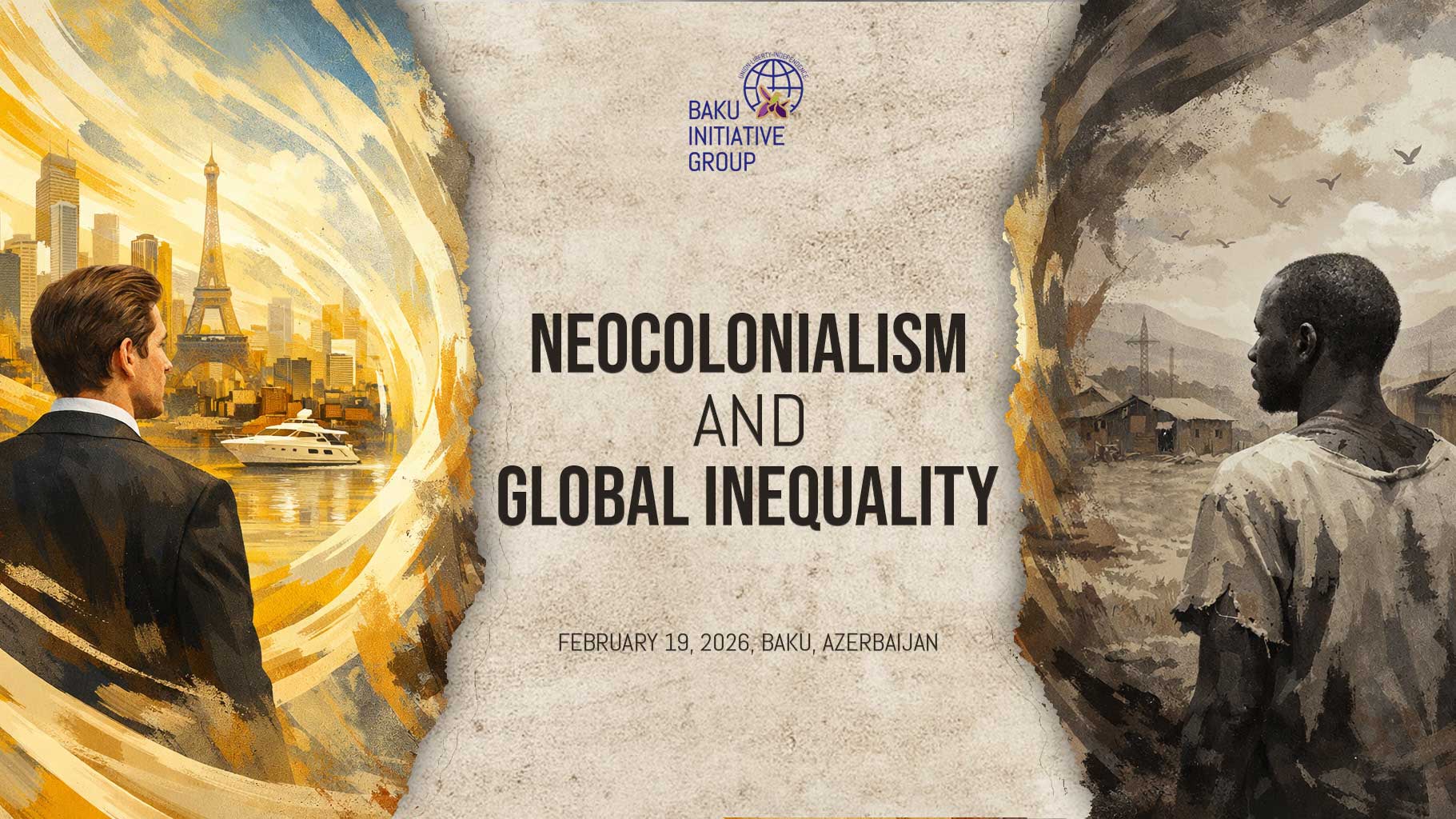
20/02/2026
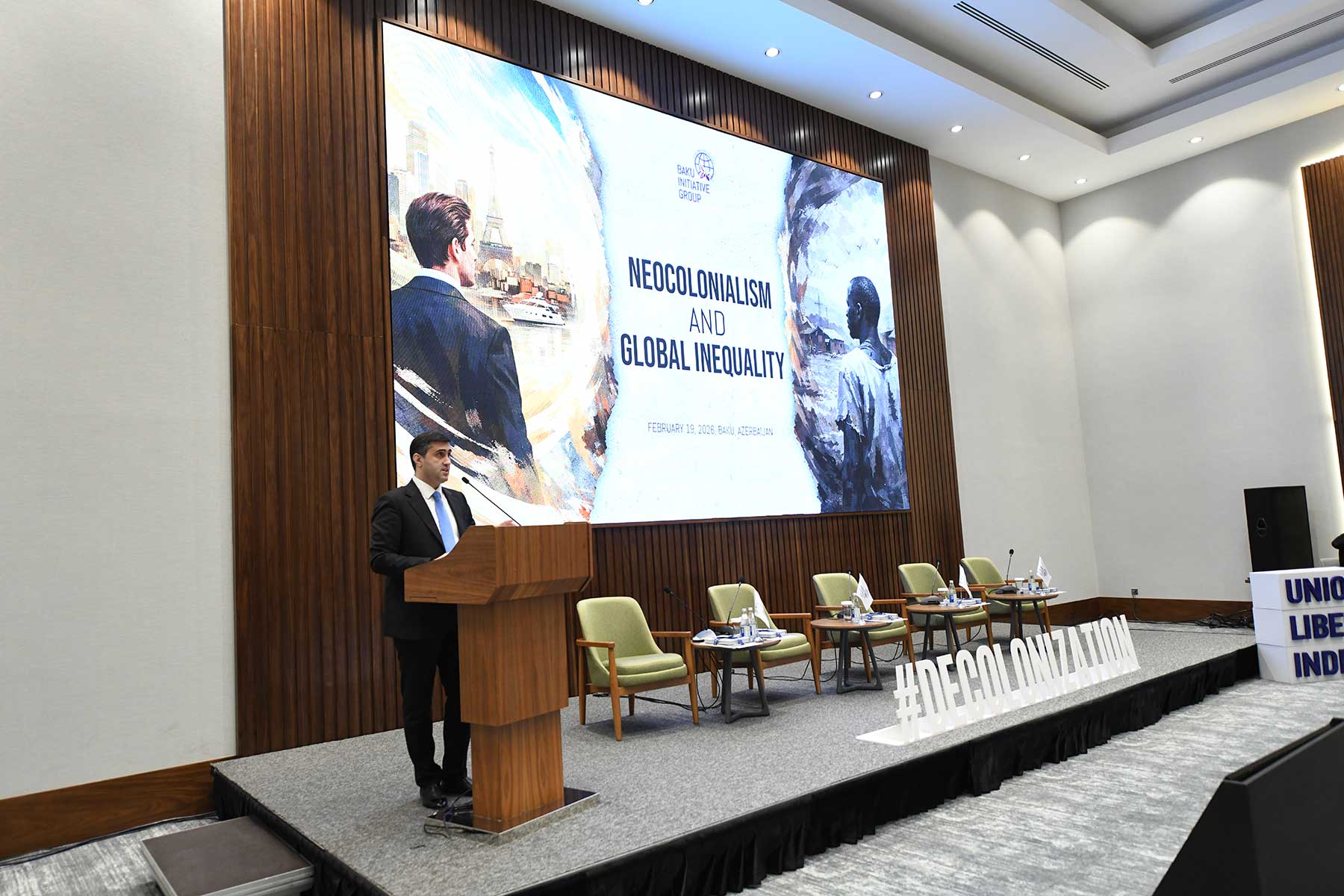
Baku hosted International Conference on Neocolonialism and Global Inequality
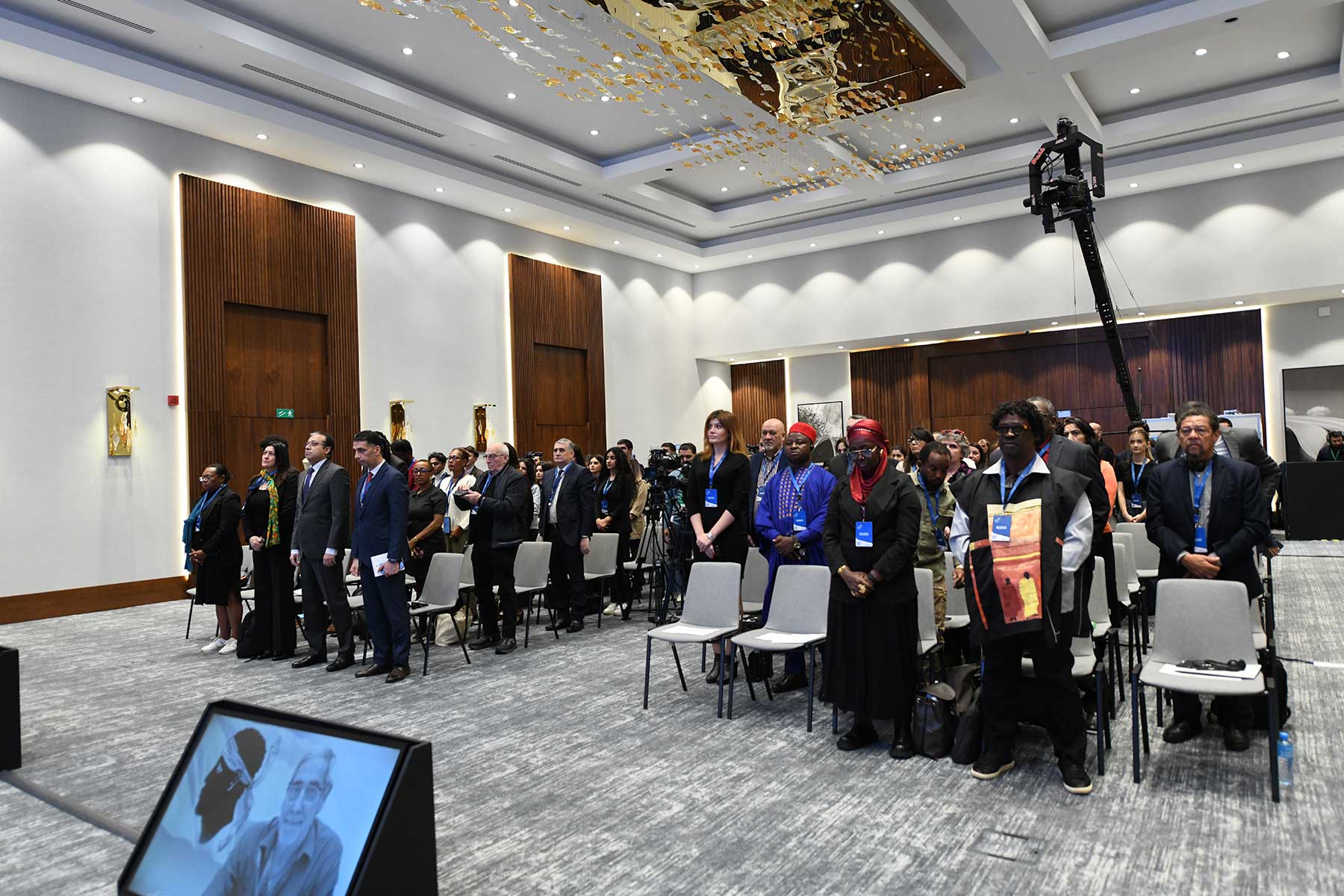
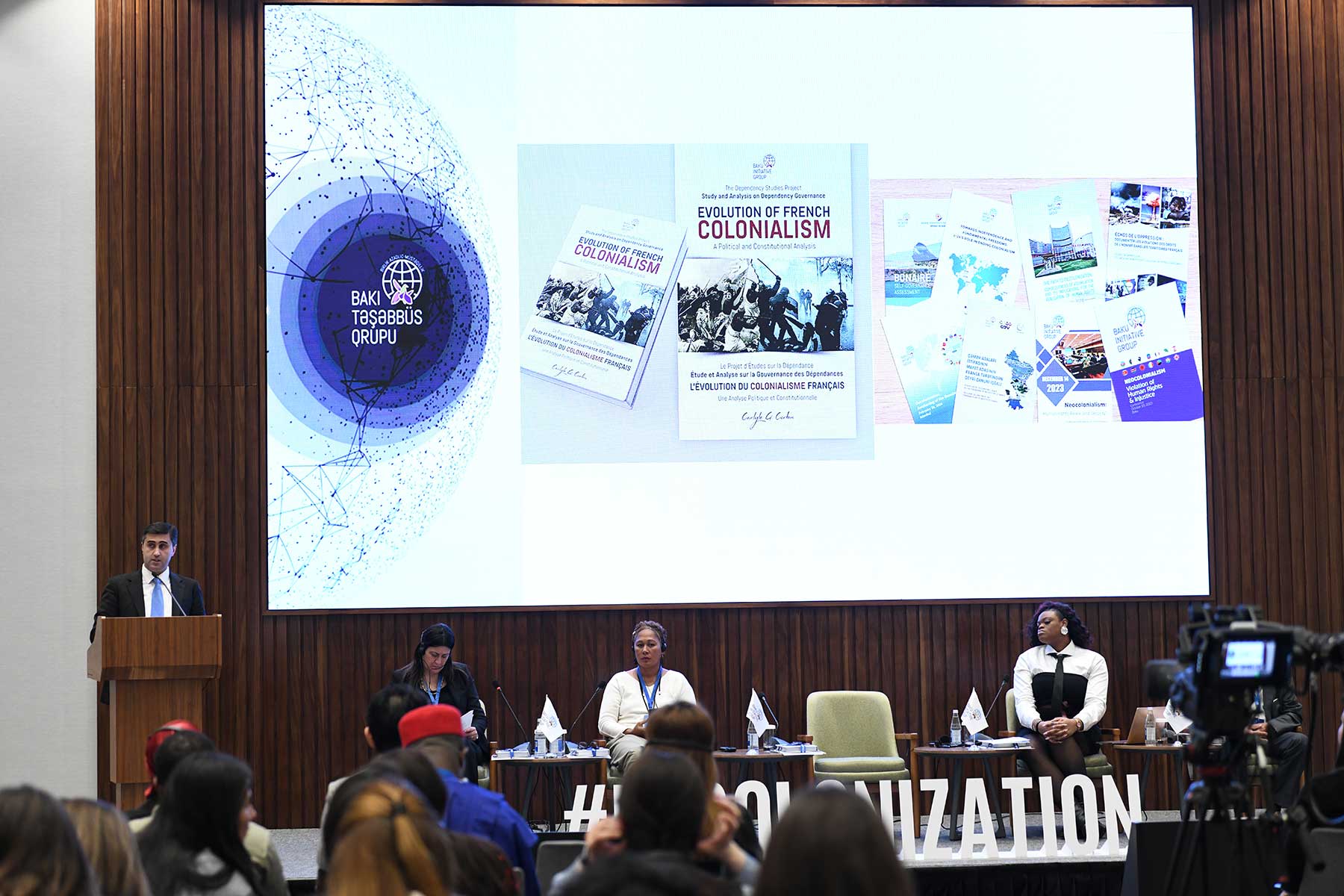
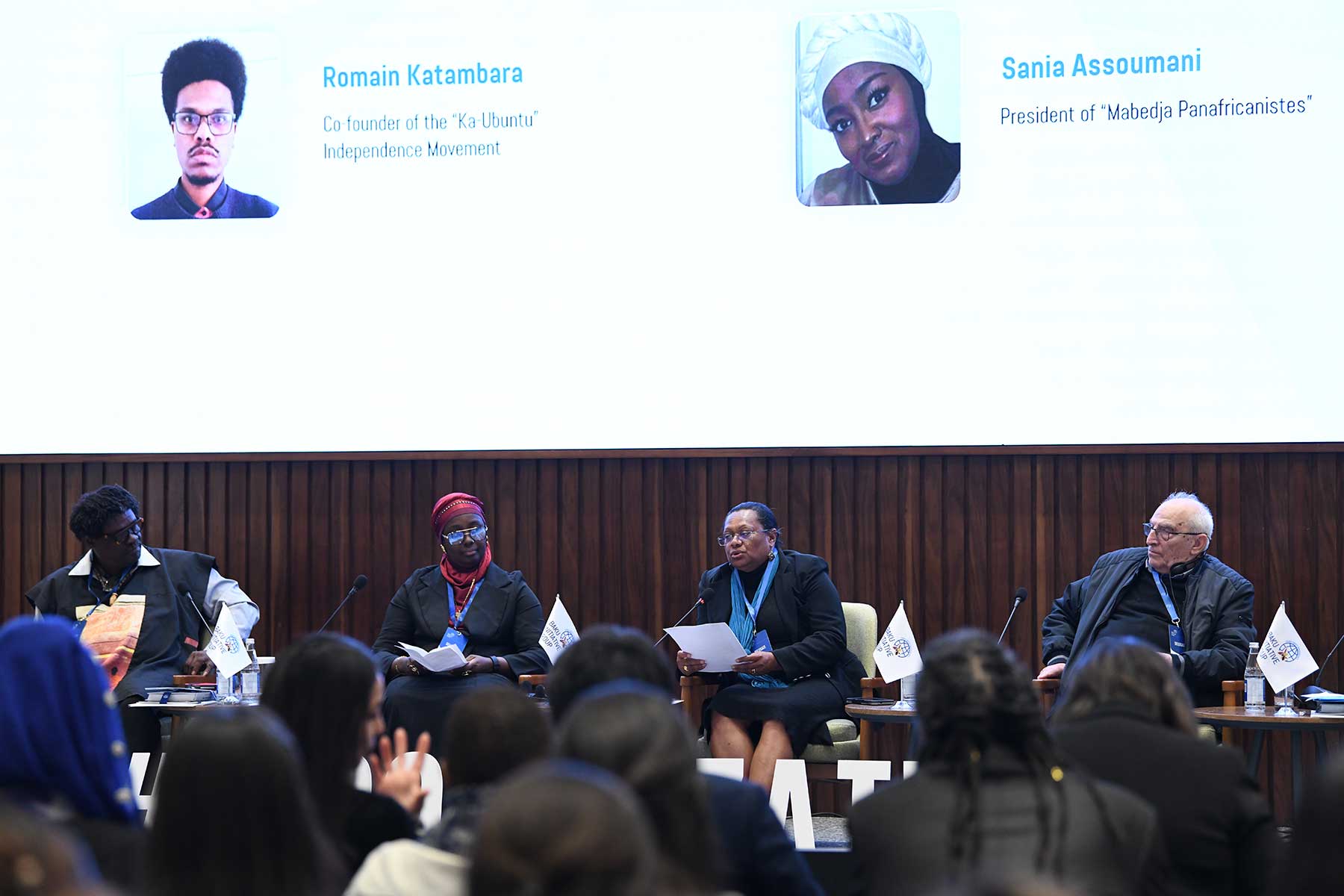
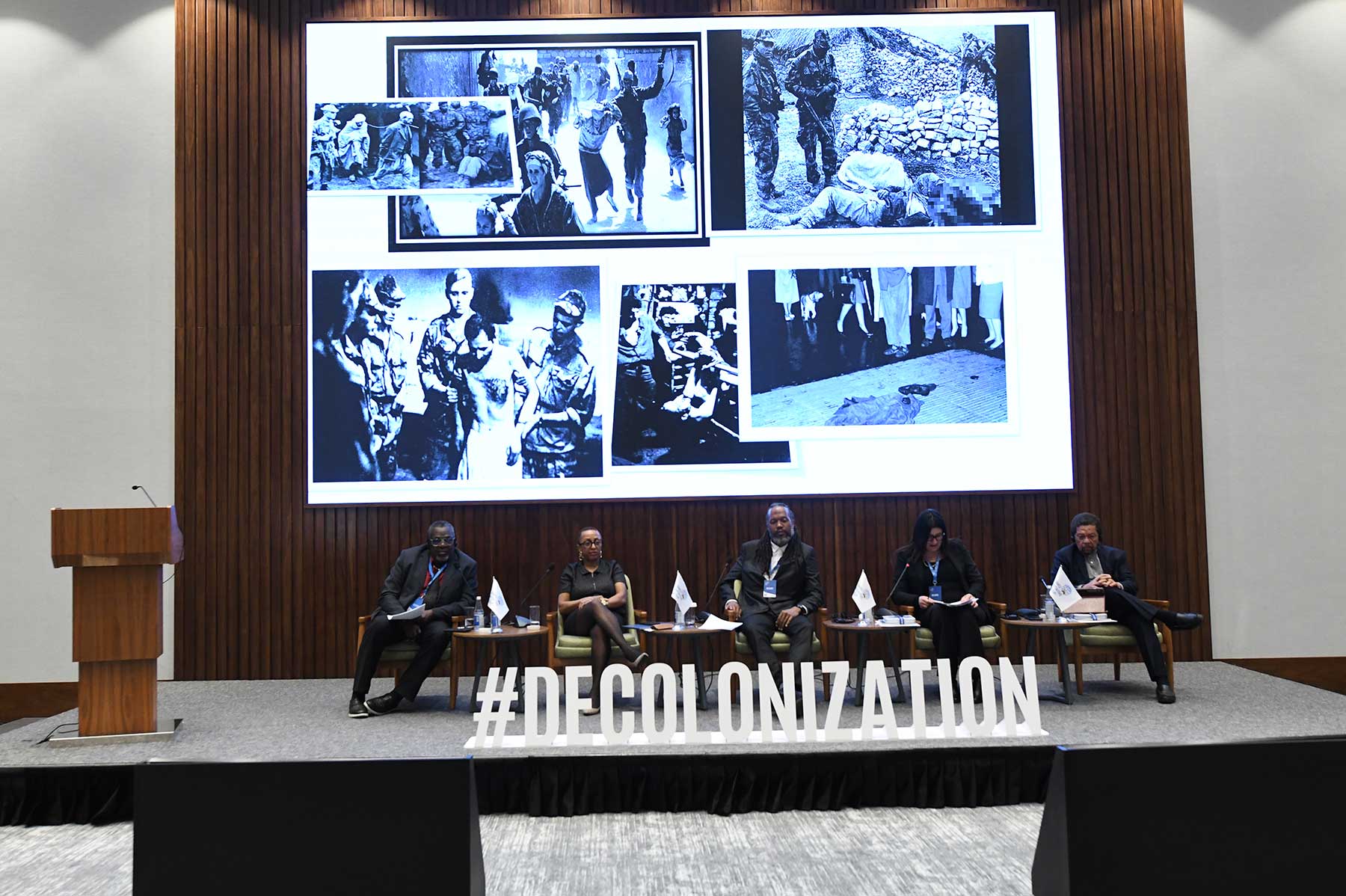
Our capital city, Baku, hosted an international conference titled “Neocolonialism and Global Inequality,” organized by the Baku Initiative Group.
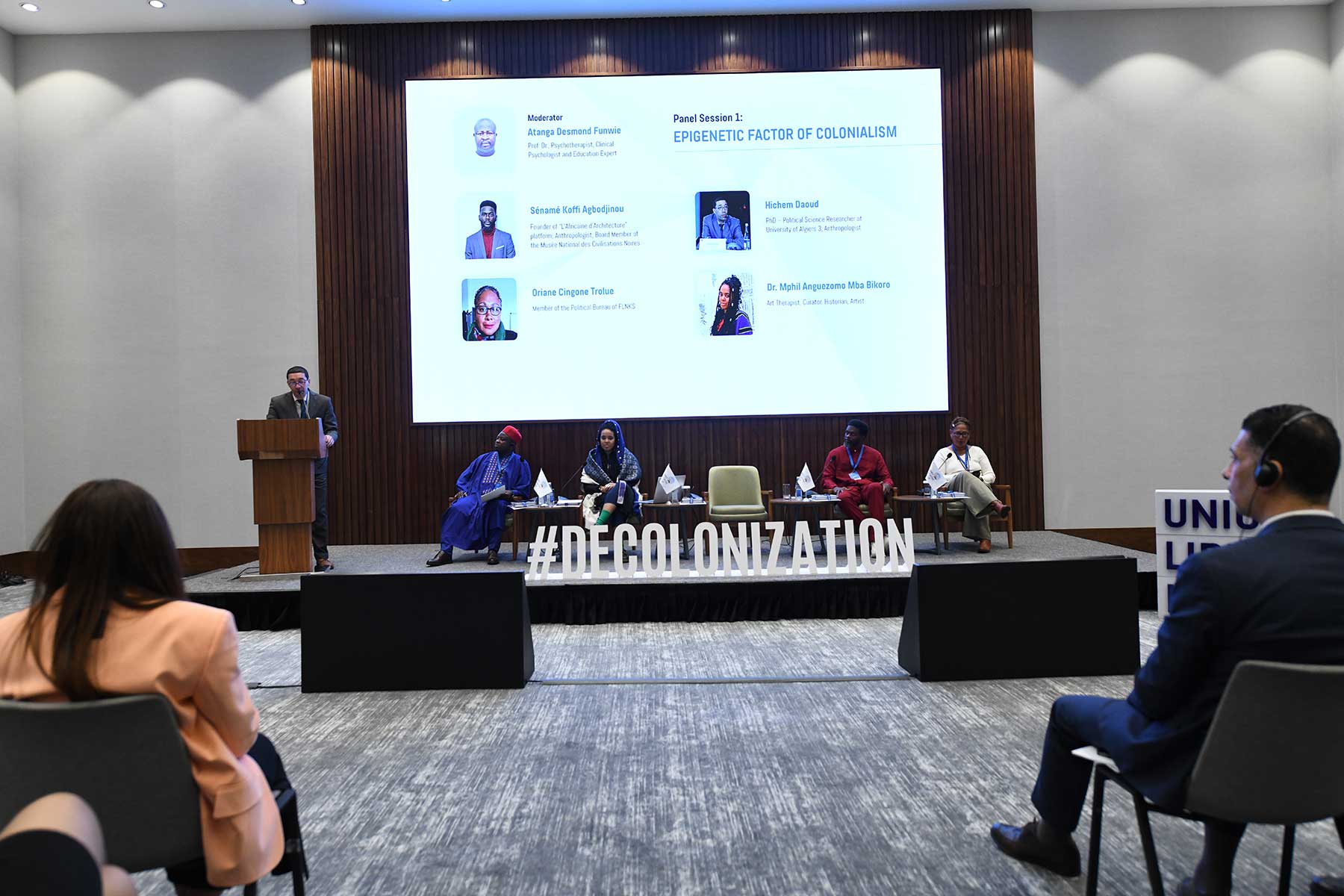
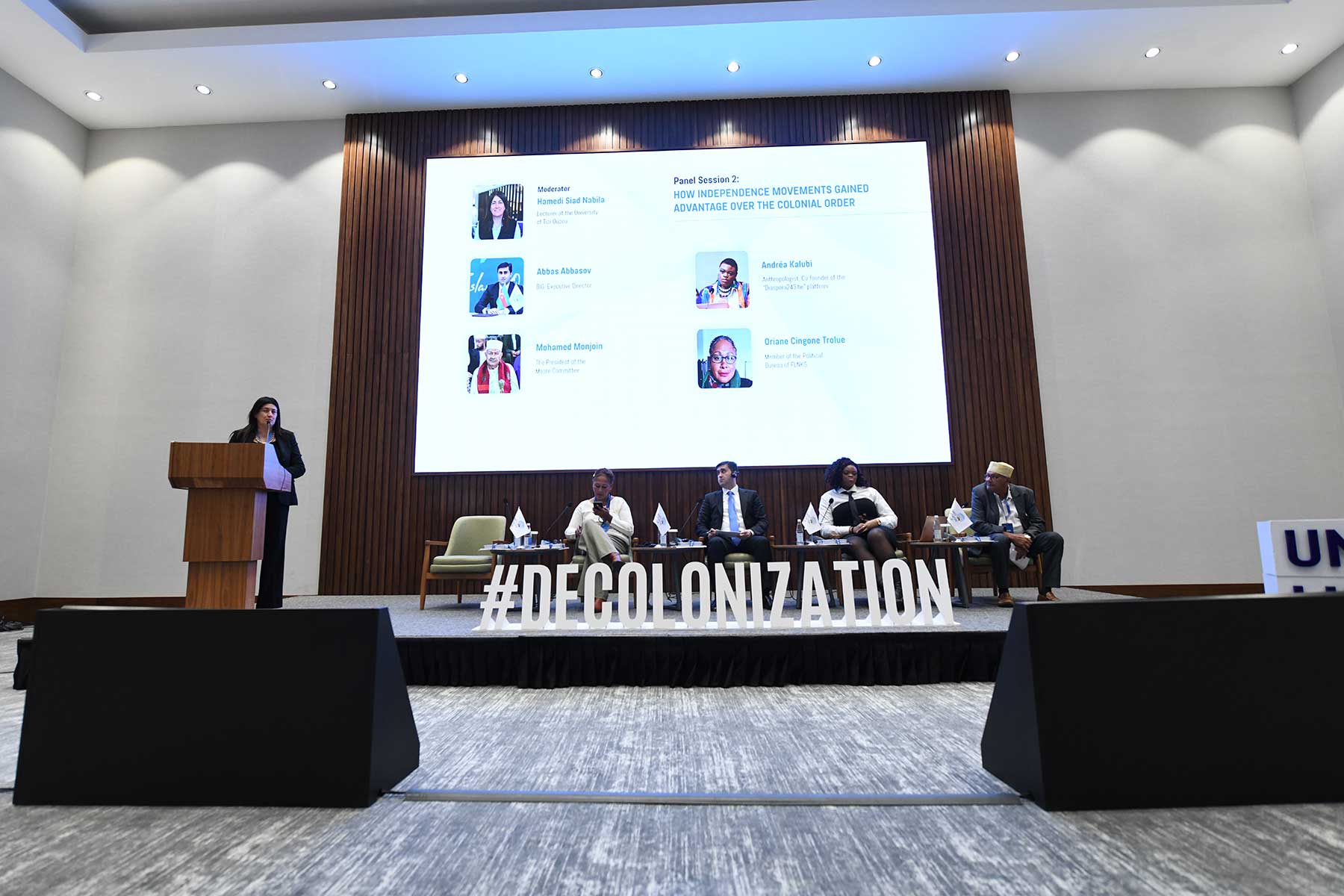
For the first time, the conference brought together anthropologists and psychotherapists working directly on the ground with the local populations of colonial territories, experts who participated in the creation of the Virtual Museum dedicated to colonialism, leaders of independence movements based in those territories, as well as researchers specializing in neocolonialism.
During the event, participants discussed the direct examination of the traumatic and social experiences of peoples affected by colonialism in diverse social and cultural contexts. The discussions also focused on structural problems stemming from the unlawful actions of colonial powers, ongoing inequalities, and the need to ensure access to information for documenting, analyzing, and bringing those experiences to the international level. Moreover, the event highlighted the documentation of personal life stories and the dissemination of such materials on international platforms, with a particular focus on examining the traumatic impacts of colonialism and their psychological consequences as a subject of scientific research. In addition, discussions centered on integrating digital and research platforms with the relevant virtual systems of international organizations and ensuring access for international research groups, experts, and judicial materials studying colonialism.
The conference is historically significant: For the first time, anthropologists and psychotherapists have worked directly with local populations affected by colonial rule, held individual and group interviews, assessed traumatic experiences, documented life stories, and systematically recorded social, cultural, and psychological impacts. Sharing the collected data and documents on digital platforms helps draw greater academic and public attention while also enabling closer collaboration with international organizations. Specifically, this information is aligned with the UN and its bodies — including the C-24 Committee, the Human Rights Council, and other relevant institutions to ensure that international attention remains focused on illegal activities in colonial territories, the unequal distribution of resources, and the ongoing violations of the rights of the peoples living there. The collected materials provide a reliable and transparent source of information that rapporteurs, experts, and courts working with international organizations can reference.
Note: On the eve of the conference on February 18, the first ever Virtual Museum showcasing colonialism on a global scale was unveiled to the public. Developed by the Baku Initiative Group, this pioneering platform is the first of its kind dedicated to exploring colonialism and its contemporary manifestations.