
Latest events
“Belgium’s Colonial Injustice and the 101-Year Path to Reparations” O...
23/08/2026Media and Decolonization: Rising Voices, Amplifying Narratives
11/07/2026International Conference on the Right of Return of Western Azerbaijani...
25/06/2026June 1984, Transnational Repression as an Extension of Genocide
03/06/2026“The Role of Youth in Decolonizing Urbanization”
21/05/2026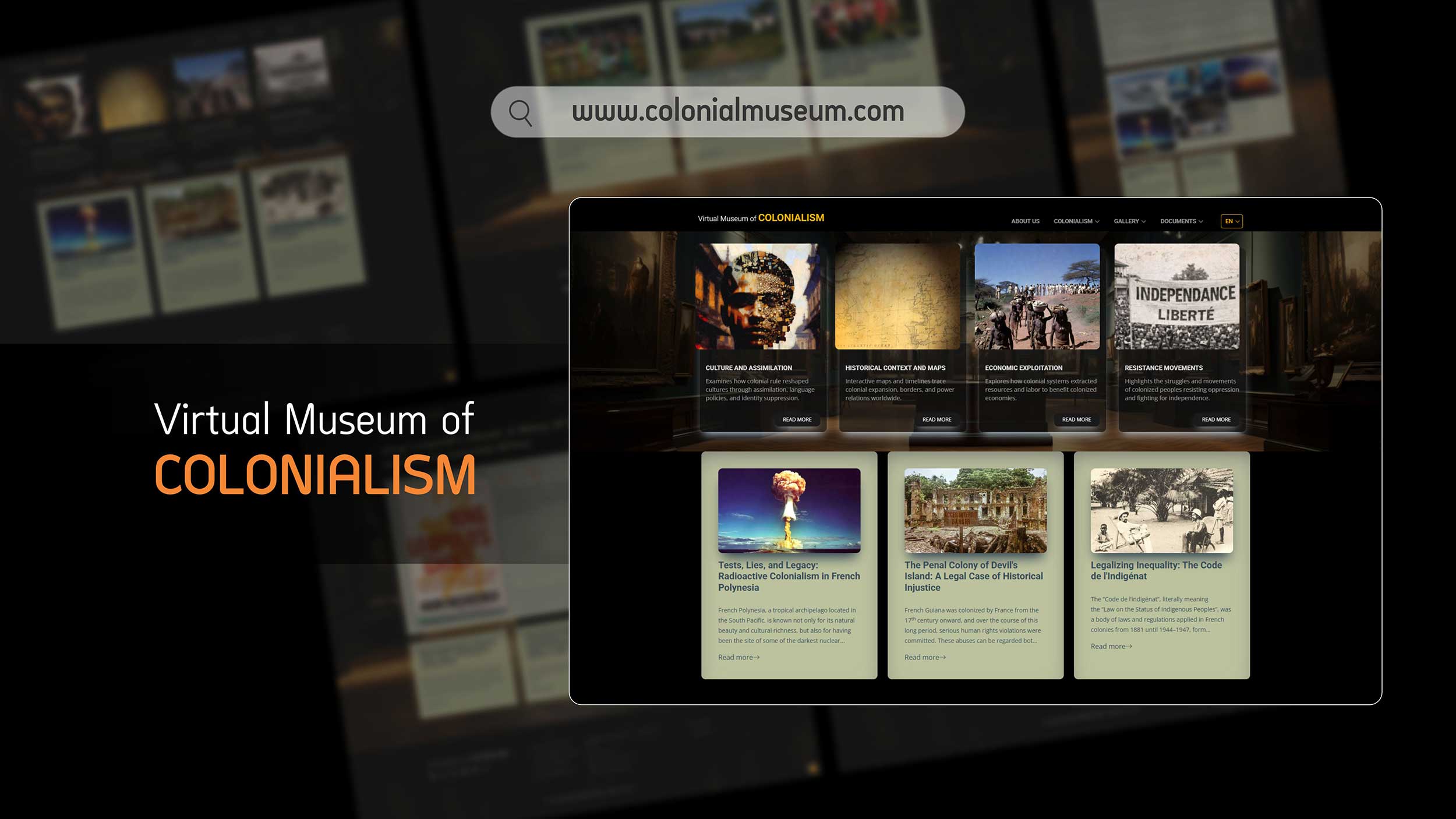
18/02/2026
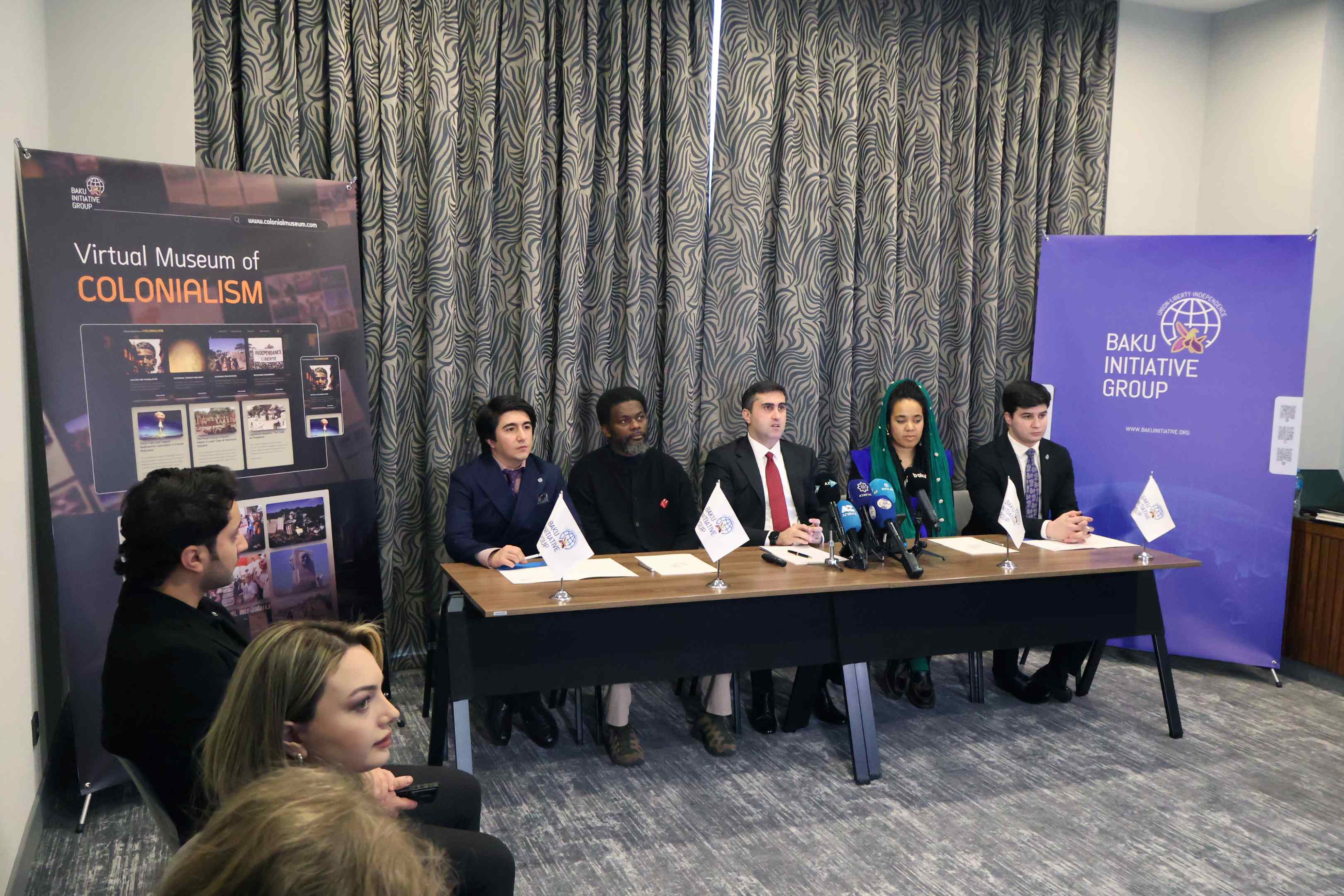
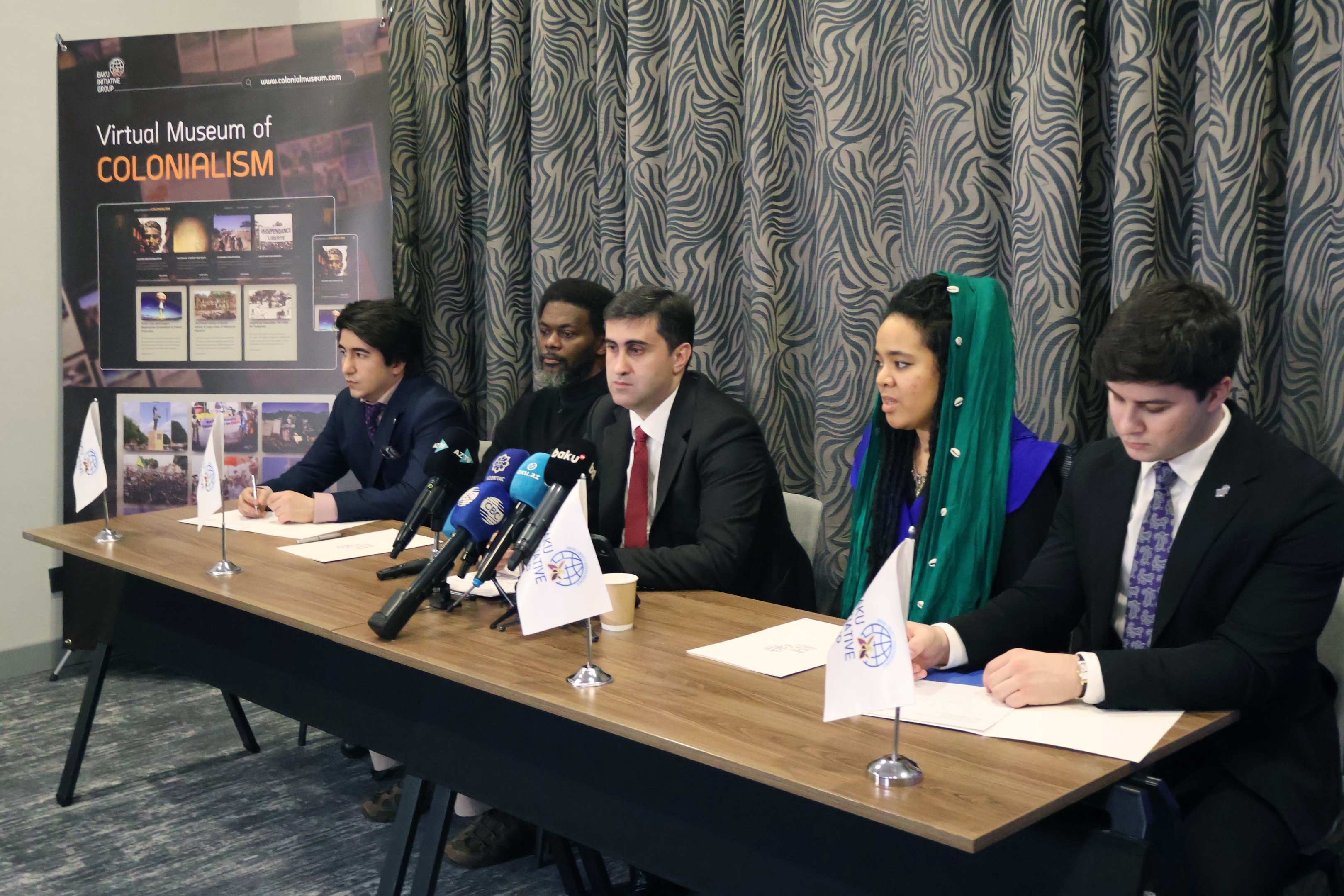
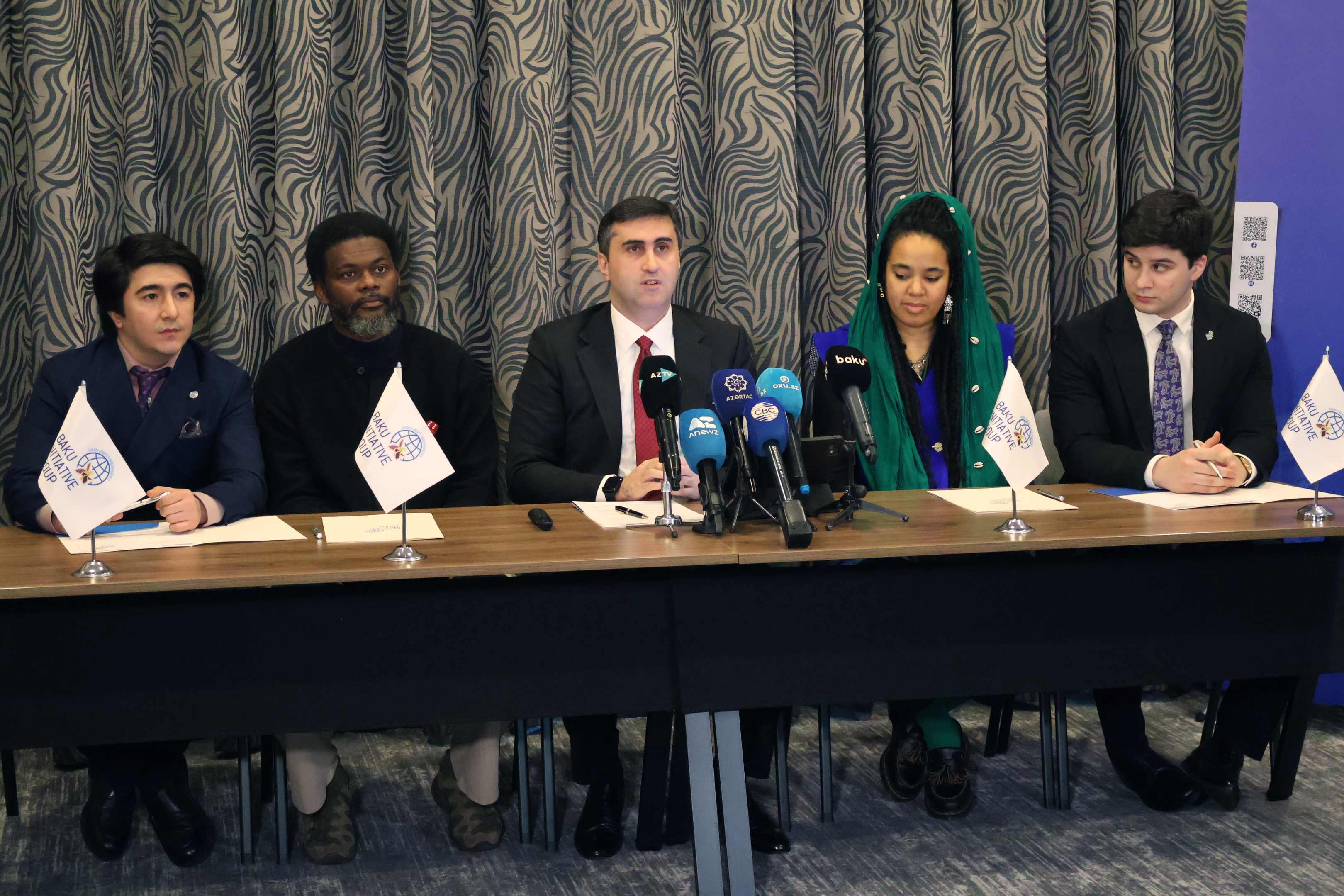
Baku Initiative Group has unveiled the first ever Virtual Museum reflecting colonialism on a global scale.
Baku Initiative Group (BIG) has officially launched the Virtual Museum dedicated to colonialism, opening the groundbreaking platform to the public for the first time.
The Virtual Museum created by the Baku Initiative Group is the world’s first virtual platform dedicated to colonialism and its present-day manifestations. The unveiling ceremony brought together researchers, scholars studying the legacy of colonialism, and anthropologists.
The Museum, available in English and French, functions not only as a historical record of colonialism and its contemporary forms but also as a digital database systematically highlighting its legal, economic, social, cultural, and environmental impacts. The Museum offers an interactive experience with archival documents, photos, videos, and exhibits, including visual materials that explore the legacy of colonialism.
The Virtual Museum presents an in-depth look at colonial governance models, illustrating the assimilation policies of colonial powers, interventions in the traditions and lifestyles of peoples subjected to oppression, the systematic weakening of their moral values and socio-cultural institutions, and actions aimed at eroding the identities and heritage of local communities.
In its International Law and Policy section, the Museum provides a structured overview of the special administrative and legal statuses imposed on local populations during the colonial era, laws and decisions made without the input of local peoples, and the legal foundations of compensation mechanisms.
The Economic and Environmental Impacts section highlights archival records and factual evidence documenting the illegal seizure of land from local populations, the forced labor of indigenous peoples in mining and extraction industries, penal camps, and the unlawful exploitation of territories. It also details the environmental and public health damage caused by nuclear testing and large-scale industrial activities.
The Museum’s exhibition section highlights the rich cultural heritage of local communities, presenting detailed displays on traditional craftsmanship, national clothing ornaments, musical traditions, and ceremonial practices.
The Virtual Museum sheds light on local anti-colonial resistance movements, tracing the key phases and trajectories of their struggle for independence. It also features the personal stories of individuals who were killed, subjected to violence, unlawfully detained, or displaced as a result of forced relocation and targeted migration policies.
Note: The Digital Museum stands as a reliable resource for historians, political scientists, international law specialists, and other scholars researching colonialism. The platform is designed as an open and trusted resource for university faculty and students, media representatives, civil society organizations, international bodies, and think tanks. Its launch contributes to global debates on decolonization while underscoring Azerbaijan’s active and forward-leaning role in advancing the international decolonization agenda.